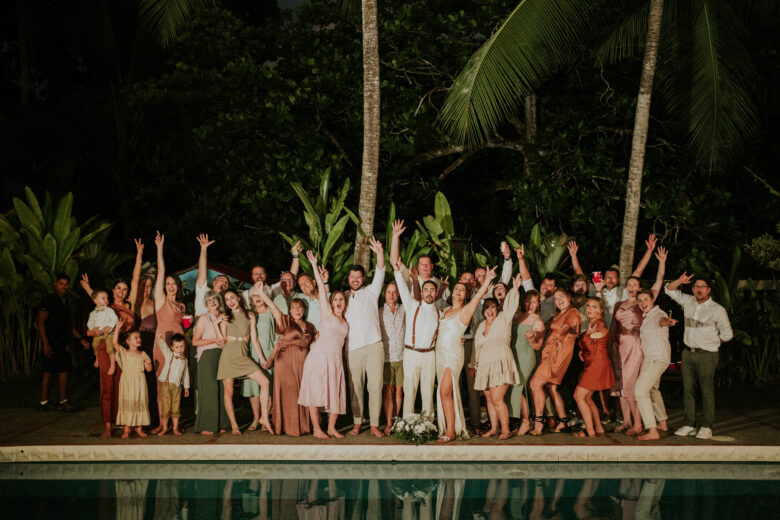


Here’s something that surprises many couples: most destination weddings in Costa Rica are symbolic, not legal. The couple handles the official paperwork back home and comes to Costa Rica purely to celebrate. It’s the simplest path, but it isn’t the only one, and choosing between a symbolic and a legal ceremony is one of the first decisions you’ll make.
This guide explains the difference, walks through the legal requirements for foreigners, and helps you decide which route fits your wedding. One note up front: this is a general overview rather than legal advice, and the exact requirements can vary by nationality, so always confirm the current details with a licensed Costa Rican notary.
Symbolic vs. legal: what’s the difference?
A legal ceremony makes your marriage official under Costa Rican law, and that marriage is then recognized internationally. A symbolic ceremony carries all the meaning and none of the legal weight: you exchange vows in the setting of your dreams, but the paperwork that makes you legally married happens somewhere else, usually at home. Both look and feel like a wedding. The difference is purely in the legal machinery behind them.
The symbolic ceremony
A symbolic ceremony is exactly what it sounds like: a celebration of your commitment with no legal paperwork attached. Because it isn’t bound by legal rules, it’s wonderfully flexible. You can hold it anywhere, at any time, with any officiant, whether that’s a close friend, a family member, or your own pastor from home, and you can write it entirely your own way.
Most couples who choose this route complete the legal side at home, either quietly before the trip or after they return, then treat the Costa Rica ceremony as the real celebration with family and friends. It’s also the natural choice for vow renewals. The appeal is simple: zero paperwork on your trip, total creative freedom, and nothing to distract from the day itself.
The legal ceremony in Costa Rica
If you’d rather your marriage legally happen in Costa Rica, the good news is that the process is refreshingly straightforward, and there’s no residency requirement, no waiting period, and no blood test. You can marry as a visitor on the entry stamp you receive on arrival.
Who can perform it
Only a licensed notary public, a Civil Registry judge, or a Catholic priest can perform a legally binding marriage in Costa Rica. In Costa Rica a notary public is always a practicing attorney, and notaries can travel to any venue, so your legal ceremony can take place on the beach or in the villa gardens rather than an office. Any other officiant, including non-Catholic religious ministers and friends, can only lead a symbolic ceremony.
What you’ll need
- Two witnesses, aged 18 or older, who are not immediate family members and who bring valid identification.
- Valid passports for both partners, generally valid for at least six months beyond the wedding date.
- A sworn statement of civil status (single, divorced, or widowed), which your officiant prepares in advance from the information you provide.
- Additional documents depending on your nationality, which may include an apostilled birth certificate and a civil-status certificate, with a certified Spanish translation for anything not already in Spanish.
- Prior-marriage details, if either of you has been married before, such as the divorce decree or a death certificate.
Your officiant will confirm the exact list for your situation, and most ask for these documents about a month before the wedding so everything is prepared and approved in advance.
How the process works
On the wedding day, you, your partner, and your two witnesses sign the marriage deed and the sworn statement. Ceremonies are conducted in Spanish, so if you don’t speak the language, choose an officiant who provides an English version of the protocol so you understand and knowingly sign what you’re agreeing to. Afterward, the notary registers your marriage with the Costa Rican Civil Registry, and your official marriage certificate is typically issued within about 12 weeks and sent to the address you provide.
Is it recognized back home?
Yes. A legal marriage performed and registered in Costa Rica is recognized in the United States, Canada, the United Kingdom, and most countries worldwide. To use the certificate at home, you may need to have it apostilled and translated to meet your home country’s requirements. It’s worth checking your own country’s rules for registering a foreign marriage before you travel.
The popular hybrid approach
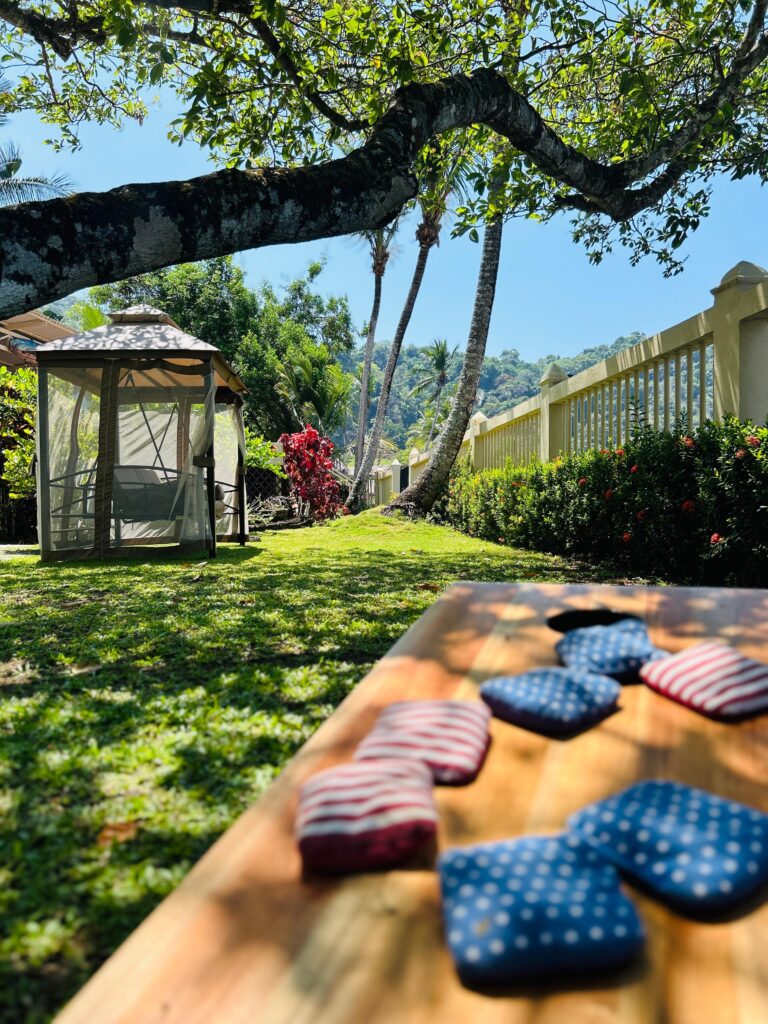
Whichever route you choose, the setting stays the same. See what a Jaco Beach wedding looks like, and when to hold it, in our guide to the best time to get married in Costa Rica.
Many couples land on a middle path: handle the brief legal signing with a notary quietly, either in advance or in a short private moment, then hold the meaningful ceremony they actually envision, led by the officiant of their choice, in front of their guests. You get a legally binding marriage and a celebration with no compromises. Your venue’s concierge or a local planner can coordinate the notary so the legal piece stays in the background where it belongs.
Which should you choose?
It comes down to what you want your trip to feel like. Choose a symbolic ceremony if you’d rather not think about paperwork on your wedding trip and prefer to keep the legal side simple at home, or if you want complete freedom over who officiates and how the ceremony unfolds. Choose a legal ceremony if it matters to you that the marriage itself happens in Costa Rica, and you’re happy to gather a short list of documents ahead of time. Neither is more of a “real” wedding than the other. They simply put the legal step in a different place.
A few practical notes
- Same-sex marriage has been fully legal in Costa Rica since 2020, and same-sex couples follow the exact same process with the same legal protections.
- Name changes aren’t automatic under Costa Rican law, so if you plan to change your name, you’ll arrange that at home using your marriage certificate.
- Book your officiant early. Costa Rica isn’t a show-up-and-marry destination, so line up your notary and documents well ahead of the date.
- Lean on local help. A planner, venue concierge, or officiant who does this regularly makes the whole process nearly effortless.
Frequently asked questions
Do you have to be legally married in Costa Rica to have a wedding there?
No. Most couples have a symbolic ceremony in Costa Rica and complete the legal paperwork in their home country, which is simpler and more flexible. A legal ceremony in Costa Rica is available too, and the marriage is recognized internationally once registered.
Who can legally marry you in Costa Rica?
Only a licensed notary public (who is always an attorney in Costa Rica), a Civil Registry judge, or a Catholic priest can perform a legally binding marriage. Other officiants, including non-Catholic ministers and friends, can lead a symbolic ceremony only.
What documents do foreigners need to marry in Costa Rica?
Typically valid passports and a sworn statement of civil status, plus two non-family witnesses over 18. Depending on your nationality you may also need an apostilled birth certificate and a civil-status certificate, with a certified Spanish translation. Your officiant will confirm the exact list.
Is there a waiting period or residency requirement to marry in Costa Rica?
No. Costa Rica has no residency requirement, no waiting period, and no blood test for foreigners. You can legally marry as a visitor, provided your documents are prepared and approved in advance.
Is a Costa Rica marriage valid in the US, Canada, or the UK?
Yes. A legal marriage registered in Costa Rica is recognized in the United States, Canada, the United Kingdom, and most countries. You may need to have the certificate apostilled and translated to use it at home.
Let us help with the details
Whether you choose a symbolic celebration or a full legal ceremony, the setting is the easy part. If you’re mapping out the whole picture, see our complete guide on how to plan a Costa Rica destination wedding, our cost breakdown, and the wedding week itinerary. Real celebrations we’ve hosted, including Nicole and Will, show how the day comes together. When you’re ready, our team can coordinate your officiant and every other detail, so get in touch to start planning your celebration at Casa Rio Mar.